Synthetic Oils
To begin with, we will dive into synthetic
oils that are used to lubricate the engines inside of vehicles, the gears inside
of most motors, and machinery. Motor oils are made from a heavy thick petroleum
hydrocarbon base derived from crude oils and additives that are used to
maintain a proper level of viscosity. Viscosity can be defined as how “thick” a
liquid is.
These oils coat moving gears and parts with
a film of oil that protects the parts from friction that over time would
destroy the quality of these parts. Oil-based lubricants are the most widely
used and common in the industrial lubricant types as they are used in almost
every single road vehicle.
Heavy Duty Engine Oil
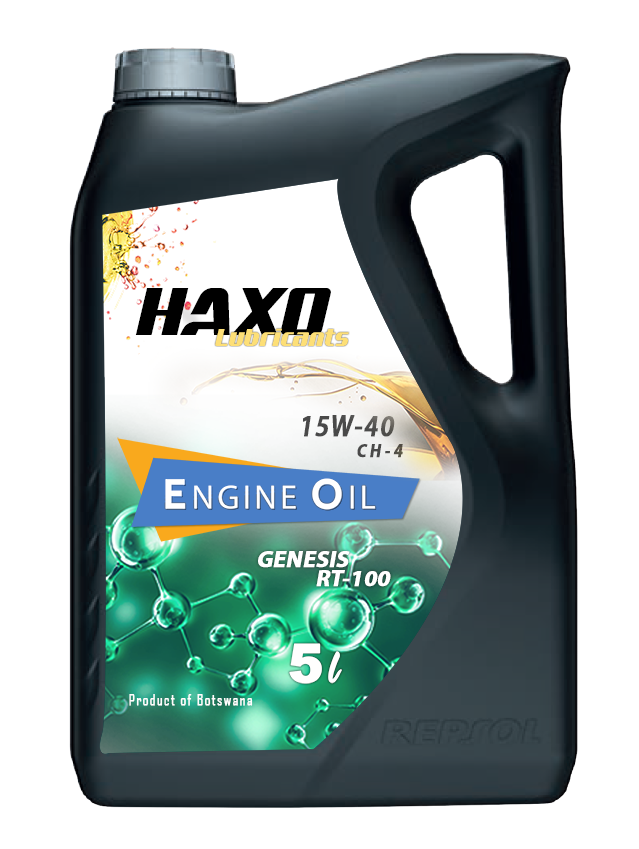
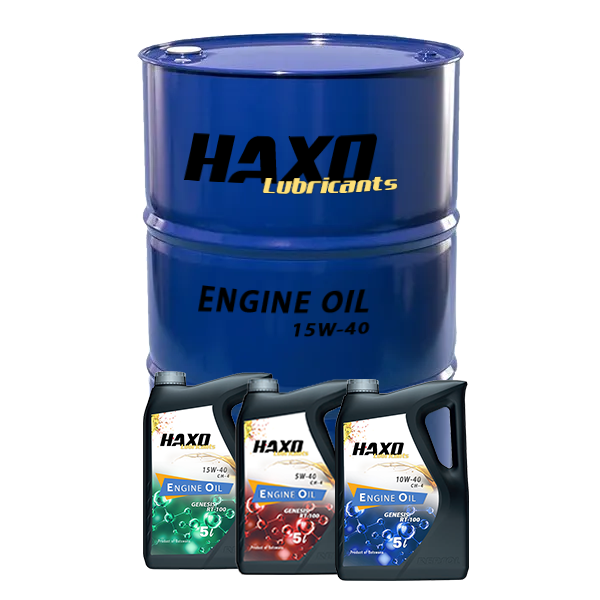
Finally, there is heavy-duty engine oil. We
have already spoken about motor oil here and in past articles, however,
heavy-duty engine oils are different enough from them to warrant their own spot
on this list. Heavy-duty engine oils are engine oils with much higher viscosity
levels. Where conventional oils create a thin film of lubrication over gears
and other mechanical parts, higher viscosity oils coat with a much thicker film
providing a much more resistant finish that will protect against the wear and
tear of a large construction vehicle. These highly viscous lubricants cannot be
used in automobiles or other machines that use standard motor oil as these oils
cause too much resistance and could damage the machine.
Brake Fluid
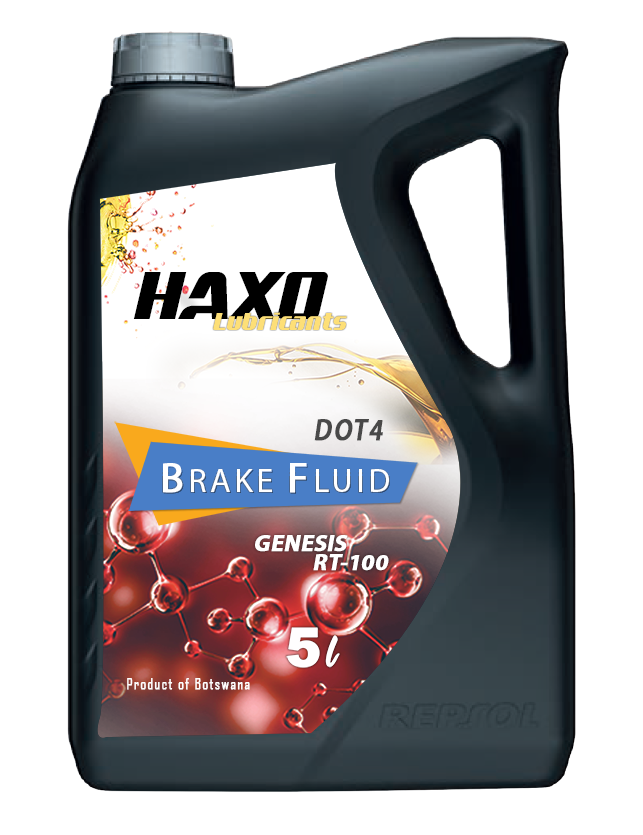
A great brake fluid goes a long way
HAXO brake fluids have a profound impact on your car braking with their stellar structure and high boiling point, effectively minimising acidification and corrosion. With HAXO, you don’t need to find frequent brake fluid replacement as it provides much-needed safety and stability on the road for great lengths of time. All brake fluids in HAXO line-up are DOT 4.
Transmission Fluid
If engine is the heart of your car, the transmission system is its brain
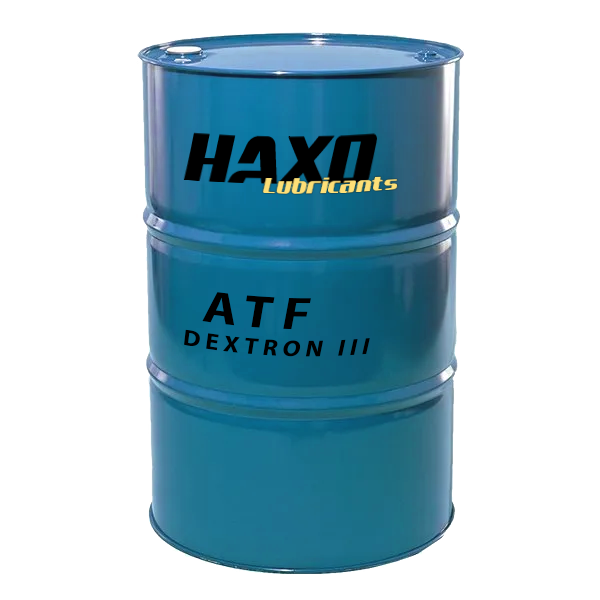
Transmission fluids lubricate the brain of your vehicle, the internal transmission system. What makes the HAXO transmission fluids special? The automatic transmission fluid is designed to provide ultra-boost in function. Thoroughly cleansing and protective, it guards the components of the internal transmission system against wear and sustains optimal performance in varying temperature conditions
Grease
Next on our list of lubricants are greases.
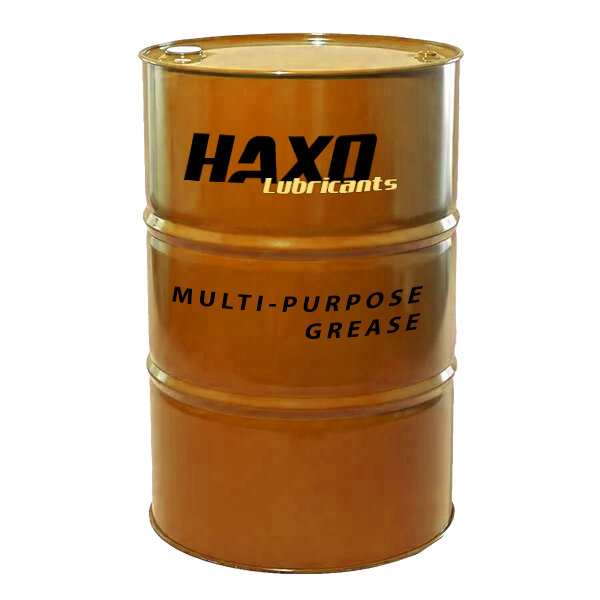
Greases are a semisolid lubricant that is usually a soap base, emulsified with
mineral or vegetable oil. These highly viscous lubricants start in a paste-like
state but once applied and rubbed onto a surface, coat the surface with a
similar film of lubricant that oil-based lubricants provide.
Greases are usually applied to mechanisms
that can only be lubricated infrequently and where a lubricating oil would not
stay in position. In addition, greases
also act as a sealant to prevent the ingress of water and incompressible
materials. Bearings, both ball and mechanical require greases to maintain
efficiency.
Hydraulic Oils
Hydraulic fluids are an interesting
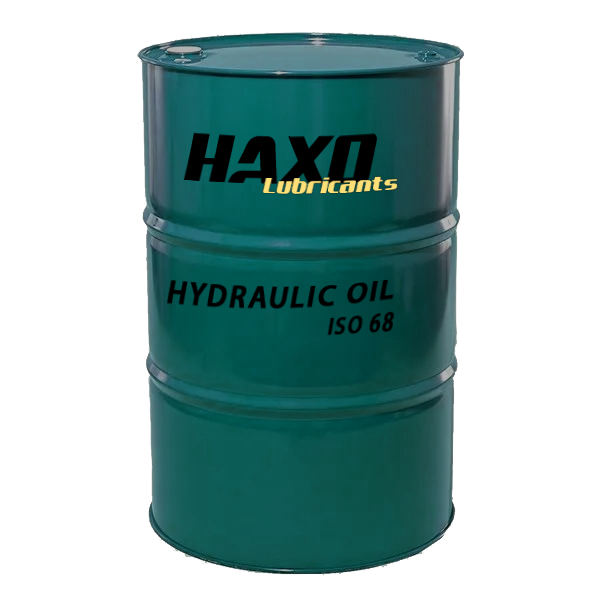
chemical as they serve many purposes. First, they are the medium by which power
is transferred in hydraulic machinery. One of the most important aspects of
hydraulic fluids is their level of compressibility. Compressibility is a
measure in thermodynamics and fluid mechanics of the relative change in volume
a fluid experiences in response to pressure. As pressure and temperature rise
within a hydraulic fluid, the volume remains very constant as opposed to most
other fluids that will experience an increase in volume with rising temperature
and pressure.
While not by definition lubricants,
hydraulic fluids do provide a buffer that extends the lifetime of the hydraulic
pump system they are used in. For example, your car’s brake system is a
hydraulic pump system and your brake fluid is a petroleum-based hydraulic
fluid. When you press on the brake pedal, a pump is pressed forcing fluid along
a pipe called the hydraulic line where pressure builds until enough energy is
transferred to close the brake caliper pistons on the rotor. Without hydraulic
fluid to buffer the parts and transfer energy these parts would be in direct
contact and could cause damages.
Gear Oils
It truly is the best gear oil for manual transmission.
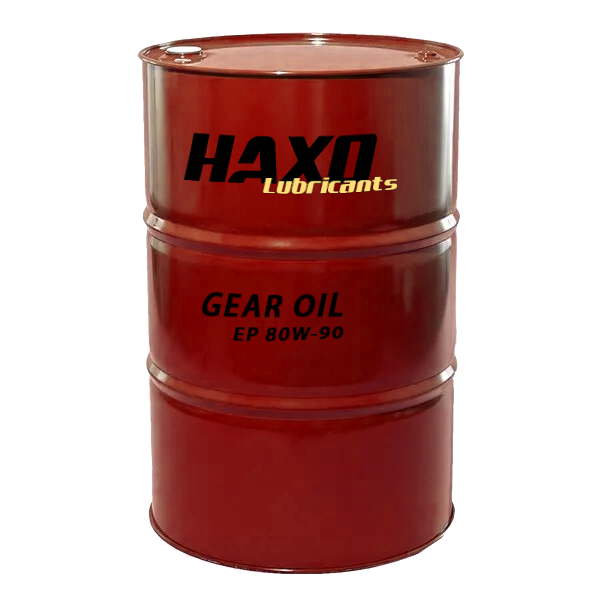
The secret to powerful functioning of HAXO automotive gear oil is its supremely high-end formulation. The optimal viscosity allows for efficient dissipation of heat and prime lubrication. State-of-the-art base oil and specialised additive package tenaciously protect gear trains and differential gears, considerably reducing cost in the long-term.